Understanding Pressure Ulcers and Deep Tissue Injury (DTI)
Pressure ulcers, pressure sores, pressure wounds, skin breakdown, decubitus ulcers or skin breakdown – it doesn’t matter what you want to call an open wound from constant pressure. Grouping all those terms under a single description of Deep Tissue Injury or DTI, these injuries can be dangerous to the point of death if not properly treated.
It is very important that steps are taken to prevent the development of a DTI rather than to have to deal with a wound after it develops.
As people age, their skin becomes less pliable and in some cases almost brittle. Therefore, the elderly who are less mobile are very much at risk of developing DTI. However, anyone of any age who is confined to a wheelchair or spends the greater part of their waking hours in a single sitting position can also be subject to a DTI.
Factors Contributing to DTI Development
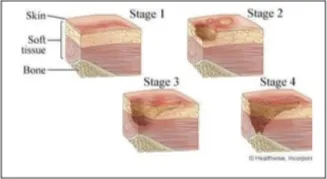
Before we discuss the five steps, lets briefly understand the three factors that seem to always be present where a DTI develops. Those three factors are:
- Pressure: constant pressure in a concentrated area of the body, i.e. ischial tuberosity’s, or butt bones; coccyx, or tailbone; trochanters or hip bones.
- Heat: body temperature that becomes elevated due to lack of air.
- Moisture: perspiration from the elevated body temperature. Moisture can also be from incontinence.
Therefore it is important not only to reduce or eliminate the pressure but to reduce or eliminate the other two factors in order to more greatly insure that a DTI will not develop.
Preventative Steps for DTI
Here are five steps that, if followed religiously, could eliminate the possibility of a DTI forming on you or someone you love:
- Regularly inspect for signs of pressure damage looking for: Non-blanching erythema (abnormal redness of the skin), heat – higher body temperature in a concentrated area of the skin, induration (abnormal hard spot in the skin), and swelling. If any of the above are found, it is a great possibility that you have found the beginnings of a DTI. Once developed, a DTI is difficult to heal.
- Keep the skin clean, dry, hydrated, and cool. Wash with mild soap and water and dry carefully without rubbing. Rubbing the skin of an elderly person whose skin is less pliable can cause a shearing wound. Such a shearing wound can then develop into a DTI.
- Excessive perspiration or incontinence are the typical culprits of excessive moisture. Perspiration is a normal body function to help cool the body when heat is present. It is important to eliminate or reduce the source of the heat that is causing the perspiring. If it is a cushion, check the cushion cover. If it is made of plastic or rubber or some other material that will not allow air-flow that could be the source. Also, the cushion material inside the cover could be of a material that does not allow air circulation. Materials such as foam (of any type), or the rubber or plastic that holds air in an inflatable cushion create an environment that can increase the body temperature. If the excessive moisture is from incontinence, then the individual needs to be monitored frequently to ensure that accidents are cleaned-up promptly.
- Nutrition is a major factor in the prevention of any type of health risk. Therefore, it goes without saying that nutrition is a major factor in maintaining the health of the skin. A diet should address all the nutritional needs of the body including the proper vitamins and minerals. Additionally, it is extremely important that one remain hydrated. Drinking lots of water will enhance the diet and add greatly to the maintenance of one’s overall health. A good rule of thumb is to drink the number of ounces of water daily that equal one-half of a person’s body weight.
- A cushion is a cushion – right? Not right! Let’s look at what is available in cushions
and how they may, or may not, re-distribute one’s weight to help relieve pressure. Just a side-note – many
professionals refer to cushions as either “pressure relieving” or “pressure reducing”. There is no such
thing as “pressure relieving”. One would have to be in a weightless environment, such as in outer space,
to experience pressure relief. Therefore, all cushions are pressure reducing.
Foam Cushions – Many cushions are made of foam or contain foam as part of a mixture of substances. Foam is available in various densities that will vary the comfort level of a cushion. Memory foam made from viscoelastic is among the most popular foams used in cushions.
When sitting on a foam cushion of any type, the weight of a person sinks into the cushion vertically. Pressure against the contact point (posterior) builds the farther one sinks into a foam cushion. Therefore, pressure is not re-distributed on a foam cushion.
Air Cushions – Some cushion manufacturers have introduced air inflated cushions for use with people who are susceptible to the development of DTIs. However, when a person sits on an air cushion their weight sinks into the cushion vertically just like on a foam cushion. Some air cushions allow for the adjustment of the amount of air in the cylinders to vary the seating environment. But, just like the foam cushions, there is no re-distribution of one’s weight.
Additionally, neither foam nor air cushions address either of the other two factors (heat and moisture) most commonly found in the development of DTIs.
So what cushion does work to re-distribute pressure and address the factors of heat and moisture? Look at the EquaGel cushions that were developed by scientists to specifically address all three factors related to the development of DTIs.
EquaGel cushions are designed around a structural Equagel Column Buckling Technology engineering principal called “column buckling”. When looking at the design of an EquaGel cushion, you will see the many open cells divided by thin walls of gel. Each of the thin walls is designed to support a tiny bit of weight. When that weight threshold is exceeded, the wall buckles and passes the support to the surrounding cell walls. This happens instantaneously providing total support to the client over the surface of the EquaGel cushion. As such, the weight of the client does not just sink vertically into the cushion. This is true re-distribution of pressure. No one will hit bottom on an EquaGel cushion because of this pressure re-distribution ability.
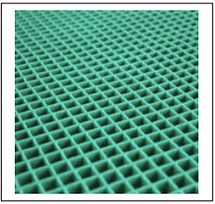
But as was discussed in the 4th paragraph of this article and in Step #3, effectively reducing pressure is not enough to prevent DTI development. The other factors of heat and moisture must also be addressed. The scientists who developed EquaGel fully understood this requirement. As such, the open-cell design of the EquaGel cushions also provides ambient air below the point of contact. This ambient air creates a temperature neutral environment. That means the EquaGel cushions will not contribute to the elevation of the client’s body temperature. As such, if the body temperature is not forced to elevate, the body will not be forced to create perspiration or moisture.
EquaGel cushions, using the column buckling and open-cell technology, are the only cushions available that fully address all three factors present when a DTI develops.
Following Steps 1 through 4 plus adding an EquaGel cushion in Step 5, will provide the overall best practice to prevent DTIs from developing on any client’s posterior.
Note: Always consult with a medical professional before making any decisions regarding the care or treatment of pressure ulcers and DTIs.