
EquaGel® vs. ROHO® – This could be the match-up of the century in healthcare. Even though the EquaGel® wheelchair cushion using buckling gel technology was introduced in 2011 (five years ago), it is still unknown to many healthcare professionals who continue to use the old technology of foam or air. It is time for all to understand the true comparisons between EquaGel® cushions and ROHO® cushions.
For many years, healthcare professionals have thought that the standard cushion to address skin integrity issues is the ROHO® cushion. The ROHO® is a cushion that is inflated with air to provide some comfort to the client. By releasing some of the air in the cushion, the client is further immersed into the cushion. When additional air is inserted into the cushion, the client is less immersed into the cushion. Because of this adjustability, healthcare professionals have been led to believe that ROHO® cushions will protect against the development of pressure injuries (pressure wounds, skin wounds, skin breakdown, etc.).
Medical science understands that many factors may be involved in the development of a pressure injury. Diet and blood circulation are among those factors. But the wounds are called “Pressure Injuries” not “Diet Injuries” or “Blood Circulation Injuries”. These injuries are called Pressure Injuries because medical professionals understand that at the point that a wound occurs, there typically are three (3) factors involved:
Key Factors in Pressure Injury Development:
- Pressure – constant pressure on an area of the skin
- Heat – the elevation of body heat at the point of contact
- Moisture – the perspiration that the body creates to help cool the area where the body temperature is elevated.
These same three (3) factors inhibit the healing of an existing pressure injury.
Comparing EquaGel® and ROHO®:
Let’s compare how EquaGel® handles these three factors and how ROHO® handles them.
PRESSURE
Uncomfortableness often arises from prolonged sitting, particularly because of pressure on the pelvis, known medically as the ischial tuberosities, or more casually as the “butt bones.” True pressure relief must, therefore, accommodate these critical areas.
ROHO® - The ROHO® cushion, with its individualized air-filled cells, conforms to the client’s shape, yet it may not offer additional relief at the pressure points of the ischial tuberosities.
EQUAGEL – EquaGel® cushions, on the other hand, operate on “Column Buckling” technology. Each gel column buckles, or collapses, under significant load, redistributing the weight across the surrounding columns. This action continues until the pressure is evenly distributed over the maximum area, significantly reducing pressure concentration on the ischial tuberosities.
HEAT
A key factor in pressure injury development is heat, exacerbated by a lack of airflow leading to increased skin temperature.
ROHO® – The air-filled design of ROHO® cushions doesn't allow for heat dissipation, potentially contributing to a warmer seating surface and thus, increased perspiration and risk of skin maceration.
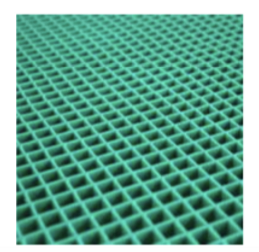
EQUAGEL – Conversely, the open-cell structure of EquaGel® cushions facilitates airflow, helping to keep the skin cool and dry by maintaining a temperature-neutral environment.
MOISTURE
Moisture, or perspiration, is a body's natural response to overheating. It's crucial that a cushion effectively manages moisture to prevent a humid microenvironment, which can soften skin and make it more susceptible to damage.
ROHO® – As ROHO® cushions can contribute to increased heat, they may indirectly increase the risk of moisture buildup.
EQUAGEL – EquaGel® cushions, with their superior airflow, reduce the risk by maintaining a drier, cooler surface, helping to prevent the conditions that can lead to pressure injuries.
Conclusion
In conclusion, it is apparent that EquaGel® cushions offer a comprehensive solution in the management of pressure, heat, and moisture, addressing the key factors in pressure injury development. The EquaGel® cushion not only provides comfort but also promotes skin integrity, making it an excellent choice for individuals at risk of pressure injuries.